Insider tips for carpet cleaning on Walworth Road SE17
If your carpets on Walworth Road SE17 are starting to look a bit tired, you are not alone. Busy foot traffic, everyday spills, London dust, pets, and the odd rainy-day muddy shoe can make even a decent carpet look dull surprisingly fast. The good news? A cleaner, fresher carpet is usually easier to achieve than people think, as long as you know which small details matter and which common mistakes waste time.
These insider tips for carpet cleaning on Walworth Road SE17 are written to help you make better decisions, whether you are tackling a stubborn mark yourself or weighing up a professional clean. We will cover what really helps, what to avoid, how different cleaning methods compare, and how to get longer-lasting results without over-wetting the fibres or making stains worse. Truth be told, a little know-how goes a long way.
For readers who want a broader look at professional cleaning options, it can also help to review the main carpet cleaning service and the more targeted stain removal support available on the site. Different carpets, different messes, different fixes. That part matters.
Table of Contents
- Why Insider tips for carpet cleaning on Walworth Road SE17 Matters
- How Insider tips for carpet cleaning on Walworth Road SE17 Works
- Key Benefits and Practical Advantages
- Who This Is For and When It Makes Sense
- Step-by-Step Guidance
- Expert Tips for Better Results
- Common Mistakes to Avoid
- Tools, Resources and Recommendations
- Law, Compliance, Standards, or Best Practice
- Options, Methods, or Comparison Table
- Case Study or Real-World Example
- Practical Checklist
- Conclusion
- Frequently Asked Questions
Why Insider tips for carpet cleaning on Walworth Road SE17 Matters
Walworth Road sits in a part of London where homes, flats, rented properties, and small businesses all see a fair amount of daily wear. That means carpet cleaning is not just about looks. It is about maintenance, hygiene, and protecting the flooring you have already paid for. A carpet that is cleaned well tends to last longer, smell fresher, and feel better underfoot. Simple enough, but easy to underestimate.
The real value of insider tips is that they help you avoid the usual guessing game. Should you scrub or blot? Is steam the best option? Can you use a spot cleaner on wool? What happens if you leave a stain for too long? Those questions come up all the time, and the wrong answer can cost you. In a busy SE17 home, one rushed attempt with too much water can leave a patch that takes days to dry and attracts dirt even quicker afterwards.
There is also the local reality to consider. In a London setting, carpets often take a beating from wet shoes, delivery traffic, children coming in and out, and the never-ending dust that seems to settle by lunchtime. A practical plan matters more than a fancy product. If you are also looking after other soft furnishings, it can make sense to coordinate with upholstery cleaning or even rug cleaning so the whole room feels properly refreshed rather than just half-done.
Expert summary: the best carpet cleaning results usually come from three things working together: fast response to spills, the right cleaning method for the fibre, and proper drying. Miss one of those, and the whole job becomes harder than it needs to be.
How Insider tips for carpet cleaning on Walworth Road SE17 Works
At a practical level, effective carpet cleaning is about removing soil without damaging the pile, backing, or colour. That sounds technical, but the principle is straightforward. Loose dirt is lifted first, stains are treated second, and the carpet is cleaned in a way that suits the fibre and the level of soiling. Then it is dried properly. If you reverse that order, things can go sideways fast.
Different carpets behave differently. A synthetic carpet in a rental flat may cope well with hotter water and more robust cleaning. A wool carpet in a period property, on the other hand, needs more restraint. Wool can look brilliant when cleaned correctly, but it does not like harsh chemistry or excessive moisture. You do not need to be a textiles expert to get this right, but you do need to pay attention.
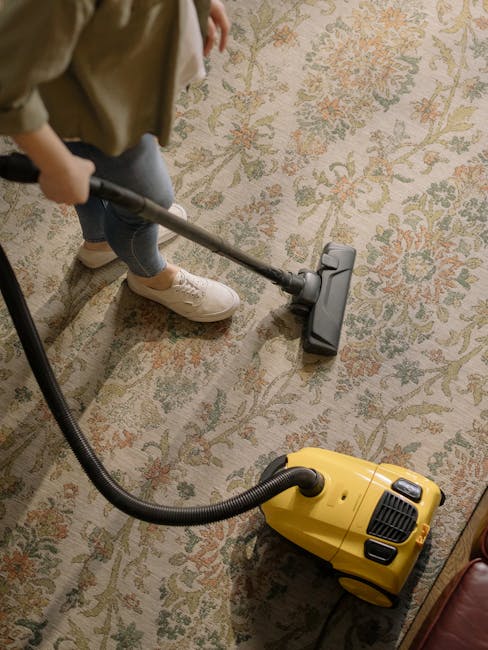
Professional methods usually revolve around hot water extraction, low-moisture cleaning, or specialist stain treatment. Steam-style cleaning is often discussed because it is effective for deeper soil removal, but the exact process matters more than the label. The same goes for home care. A quick vacuum and a careful spot treatment can prevent a lot of damage if done early. That is the bit people often miss.
If you are deciding between a full deep clean and a targeted treatment, think about the carpet's age, the level of traffic, and the type of problem. A single coffee spill near the hall may only need stain treatment. A hallway that has gone flat and grey from daily wear may need a more thorough steam carpet cleaning approach, especially if you want the pile lifted rather than merely surface-cleaned.
Key Benefits and Practical Advantages
Good carpet cleaning gives you more than a nice appearance. To be fair, the visual difference is the part everyone notices first, but there is usually more going on underneath. Dirt builds up in fibres and acts a bit like fine sandpaper over time. So when you remove it, you are also helping the carpet hold up better day to day.
- Better appearance: colours look brighter, patterns appear clearer, and the room feels less tired.
- Improved freshness: carpets can hold odours from pets, spills, food, and general life.
- Longer carpet life: less embedded grit means less wear on the pile.
- More comfortable feel: cleaner fibres tend to feel softer and less dusty underfoot.
- Better impression: especially useful if you rent out, host guests, or run a client-facing space.
There is also a practical comfort factor. A clean carpet can make a small room feel calmer and less cluttered. You notice it in the morning, especially when the light comes through and the floor looks clean rather than flat and patchy. It sounds minor, but it really does change how a room feels.
For landlords, tenants, and local businesses, the benefit can be more than cosmetic. A better-maintained floor often reduces the need for emergency cleaning after a bad spill or a heavy wet-weather week. That is one reason people also look at commercial carpet cleaning for offices, shops, and reception areas where first impressions matter every day.
Who This Is For and When It Makes Sense
These tips are useful for anyone living or working on or near Walworth Road SE17, but a few groups tend to benefit most. If your carpet sees high traffic, if you have pets, if you are preparing for a move, or if you are trying to keep a rented property in good condition, this is the sort of practical guidance that saves hassle later.
It also makes sense if you have already tried basic cleaning and the carpet still looks grubby. That often means the issue is not just surface dirt. It might be embedded soil, old spill residue, or flattened fibres that need the right treatment. A lot of people think their carpet is "done for" when really it just needs the right method and a bit of patience. Not glamorous, but true.
Here are some common situations where a deeper approach is worth considering:
- End-of-tenancy cleans where inspection standards are expected to be tidy and consistent.
- Family homes with children or pets, where spills happen often and quickly.
- Ground-floor properties where outdoor dirt comes in more easily.
- Homes with stairs and halls that take heavier foot traffic than living rooms.
- Rooms with lingering smells after cooking, pets, or damp weather.
If the issue spreads beyond the carpet, you may also need support with nearby furnishings. For example, a spilt drink on a sofa arm or an old smell in a mattress can make the room feel "unclean" even if the carpet is fine. In those cases, sofa cleaning and mattress cleaning can make a bigger difference than people expect.
Step-by-Step Guidance
If you want cleaner carpets without making rookie mistakes, follow a method rather than attacking the stain in a panic. Honestly, panic is usually where the trouble starts.
- Vacuum thoroughly first. Lift loose grit and dust before using any liquid. If you skip this, you turn dirt into sludge.
- Identify the fibre if you can. Wool, synthetic, blends, and specialty rugs all behave differently.
- Blot fresh spills immediately. Use a clean, absorbent cloth and press gently. Do not rub in circles like you are polishing a table.
- Test any cleaner in a hidden spot. Even mild products can affect colour or texture.
- Use the smallest effective amount of solution. More liquid is not better. Usually it is just wetter.
- Work from the outside of the stain inward. This helps stop it spreading.
- Rinse lightly if needed. Leaving detergent residue can attract more dirt later.
- Dry the area quickly. Open windows if possible, use ventilation, and avoid walking on it too soon.
If a stain does not shift after one careful attempt, stop. That is a good moment to step back rather than escalate with stronger chemicals. Repeated scrubbing can rough up the pile and make the area look worn even after the stain disappears. A small pause can save a lot of regret.
For tougher spots, targeted treatment is usually safer than treating the whole carpet as if it were one giant problem. Certain stains, especially food, drink, pet accidents, and sticky residues, need different approaches. If the spill is organic or odour-causing, a specialist route such as pet stain odour removal may be the smarter option because the smell often lingers long after the surface mark has gone.
Expert Tips for Better Results
Here is where the real insider stuff comes in. The small details are often what separate an average result from one that genuinely looks good a week later, not just for five minutes.
1. Treat stains by type, not by guesswork. Tea, coffee, wine, grease, mud, and pet accidents all behave differently. A one-size-fits-all spray is convenient, yes, but convenience does not always equal success.
2. Don't overwet the carpet. Excess moisture can push dirt deeper, extend drying times, and leave marks around the cleaned patch. If you have ever seen a "cleaned" area that looks oddly ringed or feels damp next day, that is often why.
3. Work in sections. This helps you keep track of what has been treated and prevents missed patches. It also makes drying more manageable.
4. Pay attention to edges and corners. Hallways, skirting edges, and under-furniture areas often collect more dirt than the visible centre of a room. People tend to overlook those, then wonder why the carpet still looks uneven.
5. Keep airflow moving. A fan, open window, or simply good ventilation can make a big difference after cleaning. Drying is part of cleaning, not an afterthought.
6. Use a soft brush only where suitable. Gentle agitation can help lift soil, but aggressive brushing can fuzz the fibres. If in doubt, go easy. Really easy.
7. Don't forget the surrounding fabric. If the carpet looks better but the curtains or sofa still hold dust and odour, the room may still feel stale. That is where curtain cleaning can quietly improve the whole space without being the obvious hero.
A small but useful habit: keep a simple stain kit ready before you need it. Clean cloths, a neutral cleaner, and a spoon or blunt scraper for solids can stop a fresh spill from becoming a long-term problem. Not exciting. Very effective.
Common Mistakes to Avoid
Most carpet cleaning problems come from trying to fix things too fast. You will see the same mistakes again and again, and they are all avoidable.
- Scrubbing hard: this can spread stains and damage fibres.
- Using too much detergent: residue attracts dirt and can leave a sticky feel.
- Skipping a test patch: colour loss or texture change is easier to avoid than repair.
- Using the wrong product for the fibre: especially risky with wool or delicate rugs.
- Leaving spills too long: the longer a stain sits, the harder it tends to shift.
- Cleaning only the visible mark: the surrounding area often needs attention too.
- Not drying properly: damp carpets can smell and may become dirty again quickly.
A common one, and it makes people sigh, is the "nearly fixed it" problem. The stain looks better, so the area gets left while still a bit wet or soapy. Then it dries into a pale patch or a shadow. Close, but not quite. If that happens, a second gentle rinse and proper drying often helps more than another burst of cleaning product.
Another mistake is forgetting that carpet cleaning is only one part of room care. A clean carpet under dusty upholstery can still make a room feel off. If you are trying to improve a whole lounge or reception space, upholstery cleaning can be the missing piece.
Tools, Resources and Recommendations
You do not need a cupboard full of gadgets to keep carpets in good shape. In most homes, a sensible small set of tools is enough. The goal is not to impress anyone. It is to make the job easier and less messy.
| Tool or resource | Best use | Practical note |
|---|---|---|
| Vacuum cleaner with a decent brush head | Routine soil removal | Use slow, overlapping passes for better pickup |
| White absorbent cloths | Blotting spills | Plain white cloths make transfer easier to spot |
| Soft brush | Gentle agitation | Only use lightly on suitable fibres |
| Neutral carpet cleaner | Basic stain treatment | Always test first, especially on coloured carpets |
| Fan or good ventilation | Drying support | Helpful after any wet cleaning |
For people who want a more complete refresh, the right mix of services can be helpful. A rug might need specialist treatment, while a lounge carpet may need deeper extraction, and a hallway may just need targeted stain support. That is why the range of services matters. You are not expected to force one method onto every surface.
Helpful related pages include rug cleaning for decorative or delicate floor coverings and stain removal for marks that need a more focused approach. If you are comparing options before booking, the pricing and quotes page is a sensible place to start because it helps set expectations before anyone arrives at the door.
Law, Compliance, Standards, or Best Practice
Carpet cleaning itself is not usually a heavily regulated consumer activity in the way that some trades are, but good practice still matters. Safety, transparency, and care are all part of doing the job properly. If a cleaner is using water, cleaning chemicals, electrical equipment, or working in someone's home, they should be thinking about safe handling and sensible procedures. That is just basic professionalism.
For householders and landlords, best practice usually means choosing cleaning methods that suit the material, avoiding harsh untested chemicals, and making sure rooms are ventilated and safe to re-enter once cleaning is complete. If you are managing a rented property or a business premise, documentation and clear expectations can be useful too. No one enjoys a messy dispute over what was cleaned and what was not.
It is also sensible to ask about insurance and safety before any work is carried out. A reputable provider should be able to explain how they protect floors, furniture, and occupants during the job. If you want to understand that side better, the site's insurance and safety information and health and safety policy are worth reading. These pages do not replace common sense, of course, but they do signal the standards a customer should expect.
Where business or rental settings are involved, it also helps to keep records of cleaning dates, products used, and any special issues like existing stains or wear. That way, if a problem is raised later, you have something practical to refer to instead of relying on memory. And memory, let's face it, can be a bit selective after a busy week.
Options, Methods, or Comparison Table
Different carpet cleaning methods solve different problems. Choosing the wrong one is how people end up disappointed, even after paying for a "deep clean". Here is a simple comparison to help you think it through.
| Method | Best for | Pros | Watch out for |
|---|---|---|---|
| Vacuuming and spot cleaning | Routine upkeep, light spills | Quick, cheap, low risk | Won't shift deep soil |
| Low-moisture cleaning | Fast-drying maintenance cleans | Less drying time, good for some fibres | May not remove heavy embedded dirt |
| Hot water extraction / steam-style cleaning | Heavier soil, traffic areas, deeper refresh | Thorough, often best for tired carpets | Can overwet if done carelessly |
| Targeted stain treatment | Single marks, accidental spills | Focused, efficient, practical | Not always enough for overall grime |
A simple rule of thumb: if the whole carpet looks dull, think deeper cleaning. If one area has a fresh spill, think spot treatment first. If you are unsure, a cautious assessment is better than charging ahead with whatever bottle happens to be in the cupboard. That bottle is rarely as clever as the label suggests.
Case Study or Real-World Example
Take a fairly typical Walworth Road flat: light-coloured carpet in the living room, a busy hallway, and a small pet that has had one too many "accidents" near the sofa. The owner has tried vacuuming more often, then used a supermarket foam on the hallway mark, which made it look better for a day but left a faint ring. Classic situation.
The fix was not dramatic. The carpet was vacuumed thoroughly, the stain area was treated separately, and the wet spots were dried with proper airflow instead of being left to sort themselves out. The pet area needed an odour-focused treatment rather than a general cleaner. Meanwhile, the sofa arm and nearby curtain edge were also addressed because the room smell was not coming from the carpet alone. Very often, that is the bit people miss.
Afterwards, the room looked less tired, the pile stood up better, and the odour issue was reduced rather than just masked. Nothing magical. Just the right order, the right products, and enough patience to let the fibres dry properly. Sometimes the most useful expert tip is simply: do less, but do it properly.
Practical Checklist
Use this quick checklist before, during, or after carpet cleaning on Walworth Road SE17:
- Vacuum the area slowly and thoroughly.
- Identify the type of carpet fibre if possible.
- Blot spills, do not rub them in.
- Test cleaners in a hidden corner first.
- Use only enough product to do the job.
- Work from the outside of a stain inward.
- Rinse or remove residue where appropriate.
- Dry the area with good ventilation.
- Avoid walking on damp fibres too soon.
- Check adjacent furniture or rugs for related marks or odours.
- Book a deeper clean when the carpet looks flat, grey, or heavily trafficked.
If you want a clean result without the faff, a little preparation goes a long way. Not glamorous, but it saves you from doing the same job twice.
Conclusion
Insider tips for carpet cleaning on Walworth Road SE17 come down to a few practical habits: act quickly, choose the right method, avoid overwetting, and think about the room as a whole rather than one mark at a time. That approach works whether you are caring for a family home, a rental property, or a small business space.
The biggest difference usually comes from restraint. Less rubbing, less soaking, less guessing. More checking, more blotting, more careful drying. It is not flashy, but it works. And on a road as busy as Walworth Road, that kind of reliability matters.
If your carpet is already showing wear, or if you want a more confident result from the start, the next sensible step is to compare service options, ask about the cleaning method, and make sure the process suits your carpet rather than forcing the carpet to suit the process. That small bit of judgement saves a lot of trouble.
Get a free quote today and see how much you can save.
Frequently Asked Questions
How often should carpets on Walworth Road SE17 be cleaned?
That depends on traffic, pets, children, and how quickly dirt builds up. In a busy home, a deeper clean is often useful once or twice a year, with regular vacuuming in between. High-traffic hallways may need attention more often.
Is steam carpet cleaning safe for all carpets?
Not always. Steam-style cleaning can work very well, but the method needs to suit the fibre and the carpet's condition. Wool and delicate materials may need more care, so testing and professional judgement matter.
What should I do first after spilling something on the carpet?
Blot it with a clean cloth straight away. Do not rub, because that can spread the stain and push it deeper. If needed, use a small amount of suitable cleaner after testing it in a hidden spot.
Why does my carpet still look dirty after cleaning?
Common reasons include residue left behind, uneven drying, missed edges, or deep soil that was not fully removed. In some cases, the carpet needs a more thorough clean rather than another quick spot treatment.
Can I clean a wool carpet myself?
Yes, but with caution. Wool can be sensitive to heat, moisture, and harsh chemicals. Gentle cleaning, careful testing, and minimal liquid are usually the safer route.
Do I need professional carpet cleaning if I vacuum regularly?
Vacuuming helps a lot, but it only removes loose soil. Over time, fine dirt, spills, and residue can still settle into the pile. A deeper clean helps restore freshness and appearance.
How long does carpet drying usually take?
Drying time varies depending on airflow, moisture used, carpet type, and room temperature. The safest approach is to let the area dry fully before heavy foot traffic returns.
What is the best way to remove pet odours from carpet?
Pet odours usually need more than surface cleaning. The affected area should be treated thoroughly and dried well. In stronger cases, a dedicated pet stain and odour approach is often more effective than a general cleaner.
Should I clean rugs the same way as fitted carpets?
Not necessarily. Rugs can be made from different fibres, dyes, and backings, so they may need a different approach. A rug that looks sturdy can still be surprisingly delicate.
How can I tell if a stain has become permanent?
It is not always obvious straight away. If a stain remains after careful treatment or if the fibre has been damaged, discoloured, or set with heat, it may not lift completely. A professional assessment can help manage expectations.
What should I check before booking a carpet cleaning service?
Ask about the method used, drying expectations, treatment for stains or odours, and whether the provider is clear about safety and insurance. A straightforward explanation is usually a good sign.
Can carpet cleaning help with allergies?
It can help reduce dust, dirt, and other build-up that sits in fibres, though it is not a medical solution. Cleaner carpets often make a room feel fresher and less dusty, especially when paired with regular vacuuming.